

Every rug we sell begins in the same place: a hand, a loom, and a great deal of time. This is the story of how a hand-tufted wool rug is actually made — told plainly, from the weaving towns of India to the floor of your home. If you have ever wondered why a handmade rug costs what it does, the answer is in the making.

Faded Ember — Rust Vintage Rug — shop the rug at Slow Objet.
Where it begins: Bhadohi and Jaipur
India's rug belt runs through Bhadohi and Jaipur, where weaving is measured in generations rather than seasons. Whole families work the craft, skills passed from parent to child across four hundred years. Our rugs are made in these workshops, by artisans who have done this since childhood.
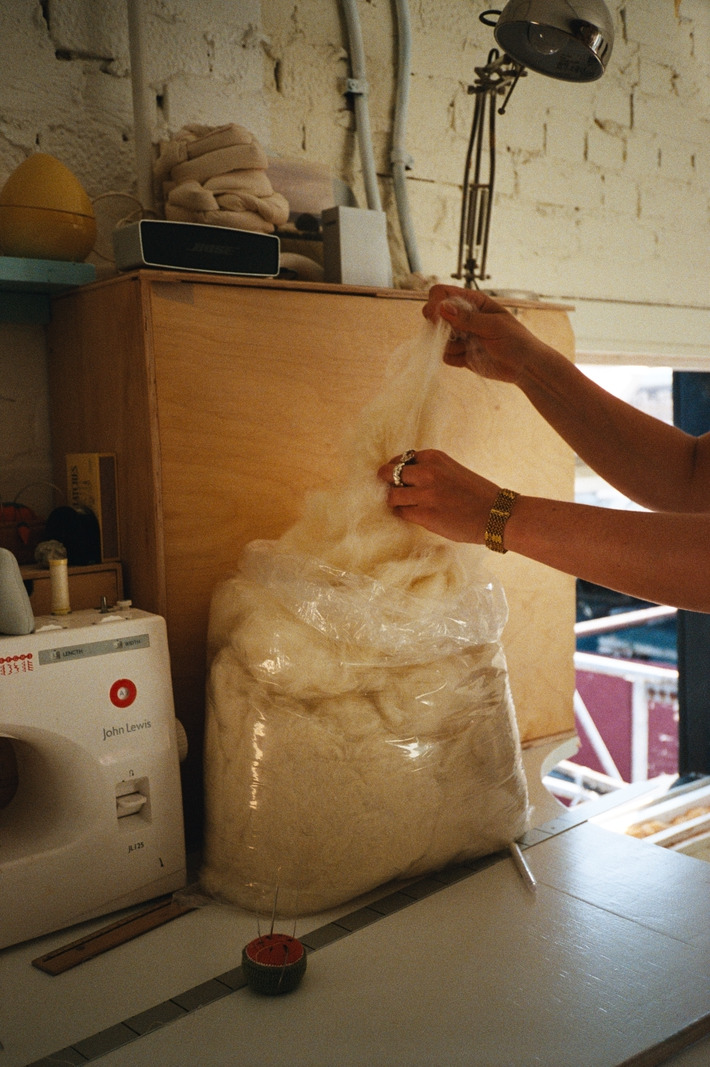
Photography by Morgan Eglin for The Modern House.
The wool, and the dye
It starts with natural wool — spun, then dyed in small batches by hand. Because the dye is mixed and applied by people, not machines, you get gentle variation from lot to lot. That variation, called abrash, is not a fault but a signature, and it is why no two of our rugs are ever quite identical.

Kiln Nomad — Rust Tribal Rug — shop the rug at Slow Objet.
Tufting, by hand
A design is traced onto a stretched cotton canvas. Then, working from behind, an artisan punches wool through the canvas with a hand-held tufting tool, following the pattern loop by loop. It is slower than a machine and far more forgiving of the eye and the hand — which is exactly the point.
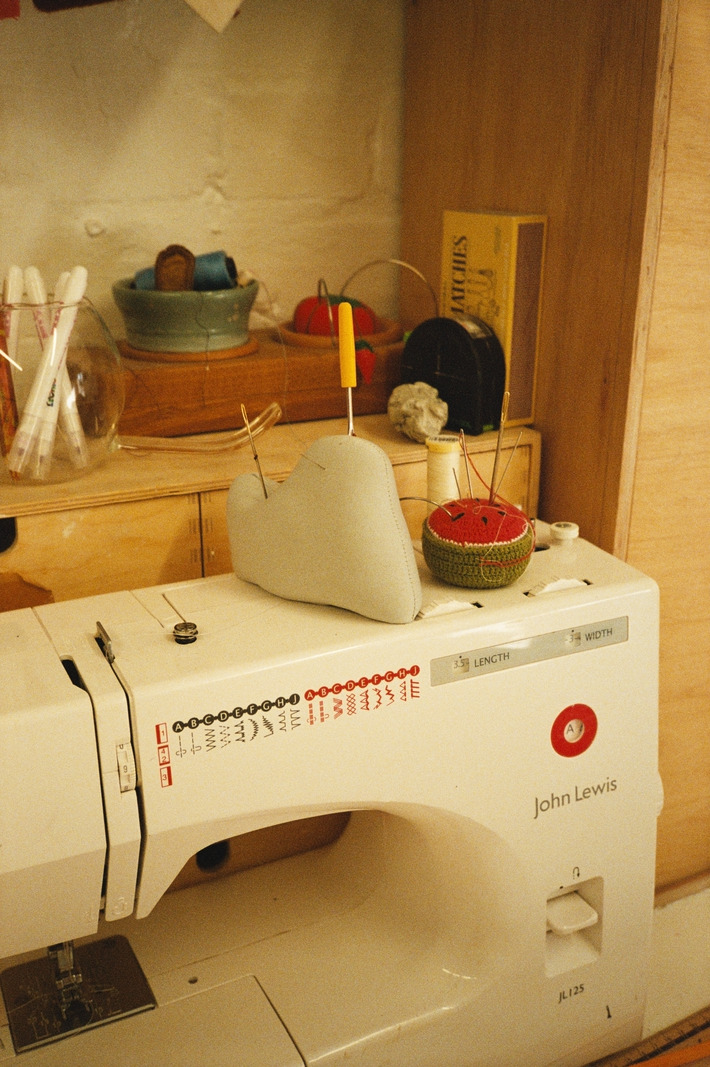
Photography by Morgan Eglin for The Modern House.
Backing, shearing, binding
Once the pile is in, the back is coated and a secondary cloth is added for strength, then the surface is sheared level so the pattern reads clean and even. The edges are bound, the fringes finished, and the whole rug is washed and dried. Only then is it inspected against our standard before it can carry our name.
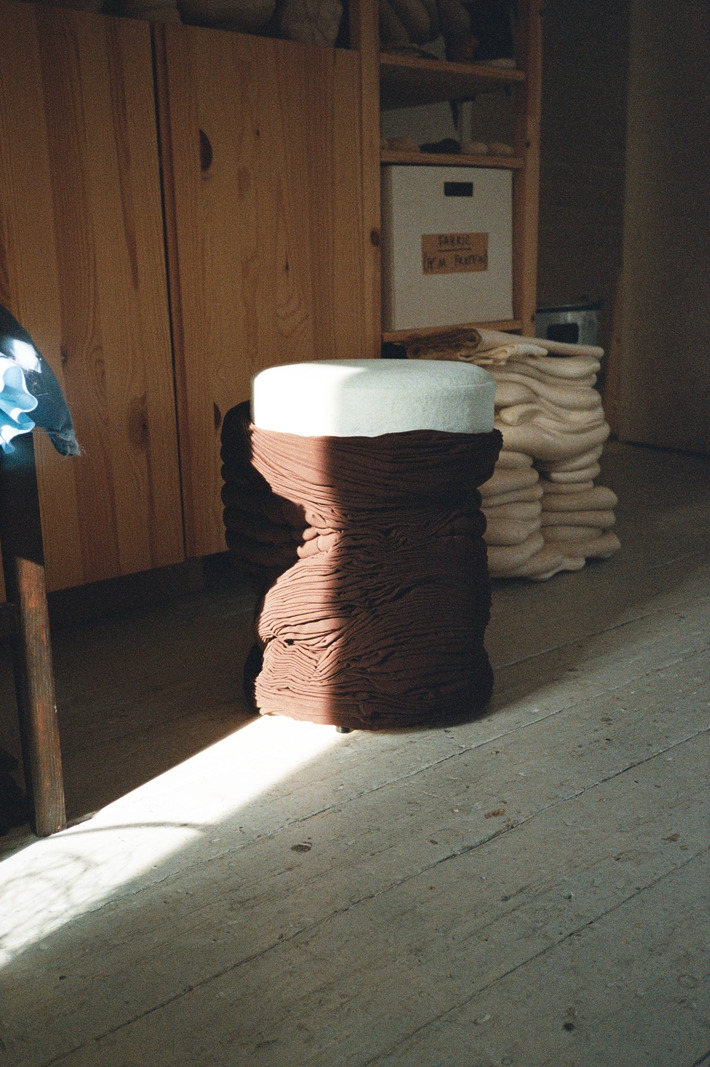
Photography by Morgan Eglin for The Modern House.

Sand Frame — Natural Bordered Rug — shop the rug at Slow Objet.
Why the making matters
A hand-tufted wool rug gives you the warmth and character of the craft at a price a real home can live with, and a life of a decade or two of daily use. Knowing how it was made is also how you tell a real one from a printed imitation — a subject we cover in full in our guide to choosing a handmade rug. Buy one well and it becomes a foundation you build a room on, not decor you replace.

Clay Repose — Rust Solid Rug — shop the rug at Slow Objet.
How long a rug really takes
A hand-tufted rug is not made in an afternoon. A single mid-size piece can take a skilled artisan several weeks, from the first line traced onto the canvas to the final wash and shear — and a hand-knotted rug, tied knot by knot, can take many months. That time is not inefficiency; it is the product. Every hour a person spends at the frame is an hour the rug gives back over the decades it lasts. Once you understand the making, the price stops reading as a number and starts reading as a wage for real, skilled work.
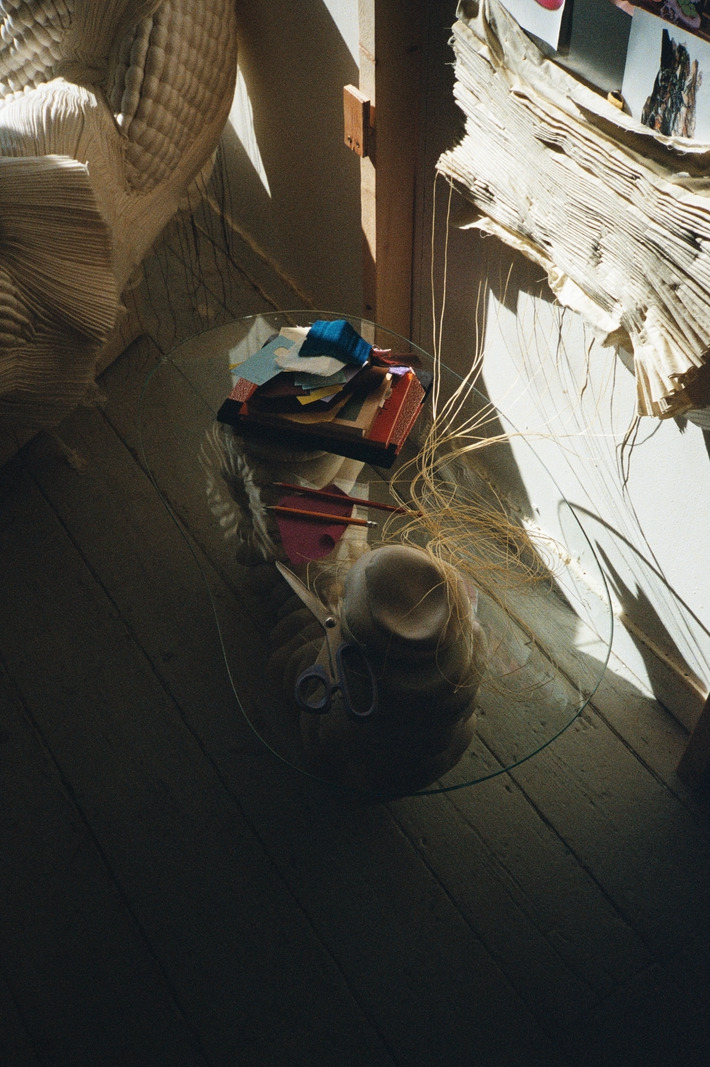
Photography by Morgan Eglin for The Modern House.
The tools are simple; the skill is not
The equipment in a tufting workshop is humble: a stretched cotton canvas, a hand-held tufting tool, shears for levelling the pile, a frame taller than the person working at it. What turns those simple tools into an heirloom is the hand that holds them — an eye for line trained since childhood, a feel for tension no manual can teach. A machine is merely consistent. A person is alive to the work, and it shows in the finished surface, where the pattern breathes in a way a printed rug never will.

Honey Ripple — Amber Wool Rug — shop the rug at Slow Objet.
Made by people, with names
It matters to us that these are not anonymous hands. Our rugs are made in family workshops where the craft is a livelihood and a lineage, not a gig — skills handed from parent to child rather than taught in a classroom. To buy a handmade rug is, in a small but real way, to vote for that economy to continue: for the skill to be worth passing on to another generation. That is the quiet politics of a slow object. It keeps a good, human way of working alive.
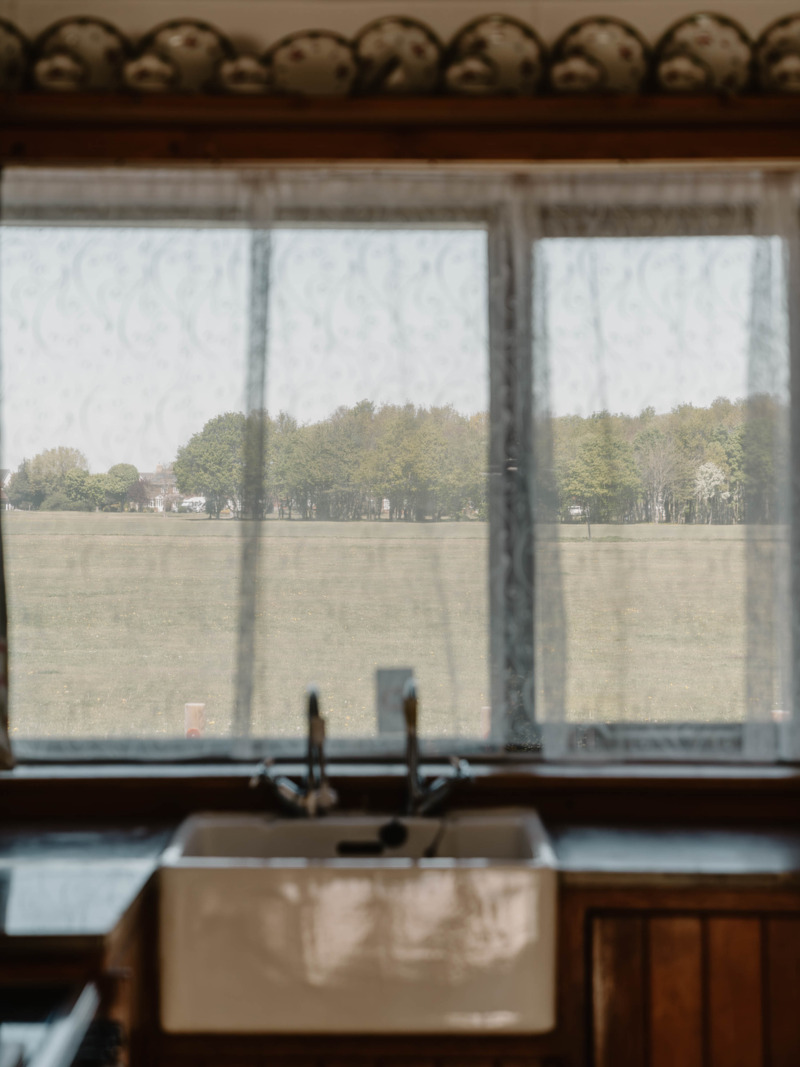
Photography by Adam Firman for The Modern House.

Kiln Bloom — Rust Scalloped Rug — shop the rug at Slow Objet.
An object you keep, not replace
There is a particular economy to buying well, once. A hand-made rug is not decor you refresh every few years; it is a foundation you build a room on and, treated kindly, it can outlast the room itself. That is why the making is worth understanding before the buying — it is the difference between a purchase and a decision you get to keep for decades.
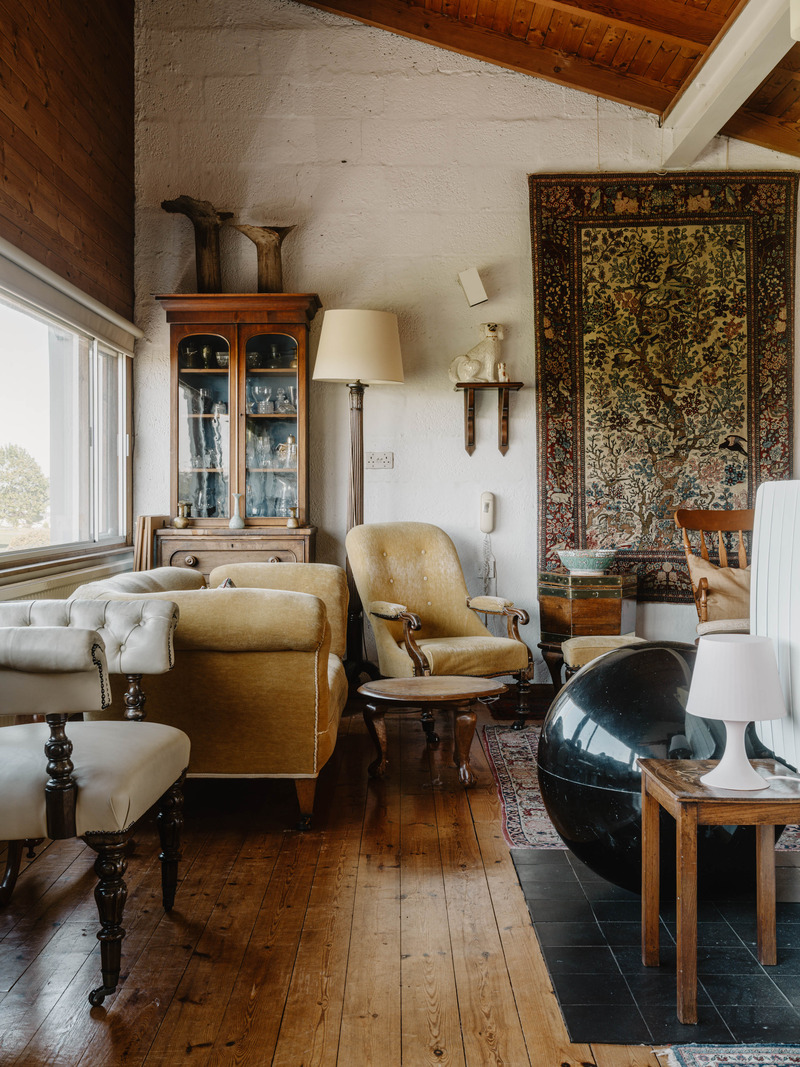
Photography by Adam Firman for The Modern House.
Live with a good rug long enough and it stops being a thing you bought and becomes part of the room's memory: the place the dog sleeps, the warm patch by the window in winter, the floor a family gathers on. A machine-made rug wears out and is thrown away. A hand-made one wears in, and is handed on — which is the whole quiet argument for slow objects in a single sentence.

Soot Petal — Charcoal Petal Rug — shop the rug at Slow Objet.
How to read the making in the rug itself
You can see the hand once you know where to look. Turn a handmade rug over and the pattern reads on the back, the knots very slightly uneven — the fingerprint of a person rather than a machine. On the front, the soft banding of abrash tells you the yarn was dyed in small batches by people, not mixed by the vat. None of it is a flaw. It is the evidence that a person, not a printer, made the thing you are standing on, and it is exactly what you are paying for.

Oat Bloom — Oat Floral Rug — shop the rug at Slow Objet.
Questions, answered
How long does it take to make a hand-tufted rug?
Usually several weeks for a mid-size piece, from tracing the design to the final wash. A hand-knotted rug, made knot by knot, can take several months.
Why are handmade rugs expensive?
Because the price reflects many hours of skilled human labour and natural materials, not a machine run. Spread across the decades a good rug lasts, the cost per year is usually modest.
Where are Slow Objet rugs made?
In the historic rug-weaving towns of Bhadohi and Jaipur in northern India, in family workshops where the craft is measured in generations.
When you are ready, explore our hand-tufted rugs — each one carries the hand that made it.
Rugs by Slow Objet, hand-tufted in India. Interior and craft photography courtesy of The Modern House, credited beside each image.
Purposeful design, crafted for a lifetime.