

A slow living home is easy to recognise and hard to fake. You feel it before you can name it: the room breathes, the light has somewhere to land, and nothing is asking for your attention.

Sage Repose — Green Hand-Knotted Rug — shop the rug at Slow Objet.
Slow living isn't about doing everything at a snail's pace. It's about being present and intentional — and at home, that means deciding how you want a space to feel before you decide what to put in it. This is a field guide to exactly that.
What a slow home actually is
At its simplest, a slow home is one furnished with intention rather than urgency. Every object earns its place. There is room to move and room to think, the palette is calm, and the materials are honest. It is never quite finished, because a slow home grows at the pace of a life, not a launch.

Umber Current — Warm Brown Rug — shop the rug at Slow Objet.
This is also where slow living meets the mood of the moment — the shift away from cold minimalism toward warm minimalism: earth tones, wool, linen and terracotta over gloss; fewer, better pieces over more.
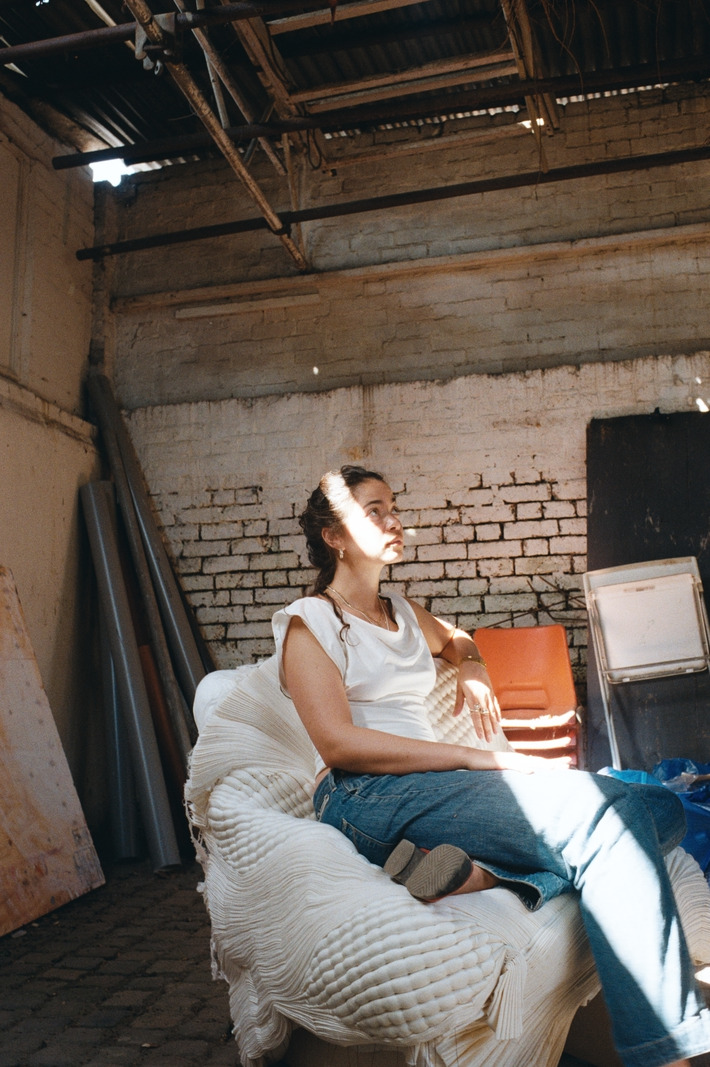
Photography by Morgan Eglin for The Modern House.
Why a slow home feels better
The calm is not only aesthetic. A cluttered, over-stimulating space keeps the nervous system quietly braced; a simpler one lets it settle. Less visual noise means less to process — which is why a considered room can feel, genuinely, like relief.
The principles, in practice
Curate before you buy
The first move is almost always subtraction. Clear what doesn't serve the room, then live with the space before you fill it. Emptiness isn't a problem to solve; it's the frame that lets the right piece register.

Pebble Frame — Taupe Bordered Rug — shop the rug at Slow Objet.
Choose fewer, better, and natural
Buy the most durable pieces you can afford, and let natural materials lead — wood, wool, cotton, jute, stone. They age into a room rather than out of it.

Oat Frame — Cream Bordered Rug — shop the rug at Slow Objet.
Let the light do the work
Natural light is the cheapest and most transformative material you have. Keep windows unfussy, and choose lamps with a warm, low glow for the evening.
Make a retreat
Every slow home has one spot for nothing productive at all — a reading nook, a chair by the window. It needn't be large; it's about intention.
Start from the floor up
Here is the shortcut we give everyone: begin the room from the floor. A rug sets the scale, palette and temperature of a space before any other decision — get it right and everything after becomes calmer. If you're weighing your first serious piece, our guide to choosing a handmade rug you'll keep for decades walks through it without the jargon.

Olive Frame — Olive Bordered Rug — shop the rug at Slow Objet.
A palette that stays calm
Slow homes speak in warm neutrals with earth as the accent: oat, sand and stone as the ground; terracotta, clay and muted olive as the warmth; a deep slate where you need weight. Keep contrast soft and let texture do the interesting work.
Questions, answered
What is a slow living home?
A home furnished with intention rather than urgency, where every object earns its place and the space is left room to breathe.
What are the benefits of a slow home?
Less visual clutter lowers cognitive load, which helps the mind settle. A slowly gathered home is also more personal and more durable.
Where should I start?
Start from the floor. A well-made rug sets a room's scale, palette and warmth, and makes every later decision easier.
When you're ready to begin from the floor, explore our hand-tufted wool rugs, or step into a Curated Mood like the Grounded Living Room.
Purposeful design, crafted for a lifetime.
Rugs by Slow Objet. Interior photography courtesy of The Modern House, credited beside the image.