

Behind every rug we make is a place, and few places wear their craft as openly as Jaipur. The old walled city in Rajasthan is one of the beating hearts of Indian handwork — block printing, natural dyeing, hand-weaving — a whole economy of the hand, still very much alive. If you love slow, made things, it belongs on your list.

Clay Frame — Rust Bordered Rug — shop the rug at Slow Objet.
The city of the hand
Jaipur moves at the pace of making. In courtyards and small workshops, weavers and printers work as their families have for generations, the skills handed down rather than taught in a classroom. To spend a weekend here is to watch craft happen in real time, not behind glass.
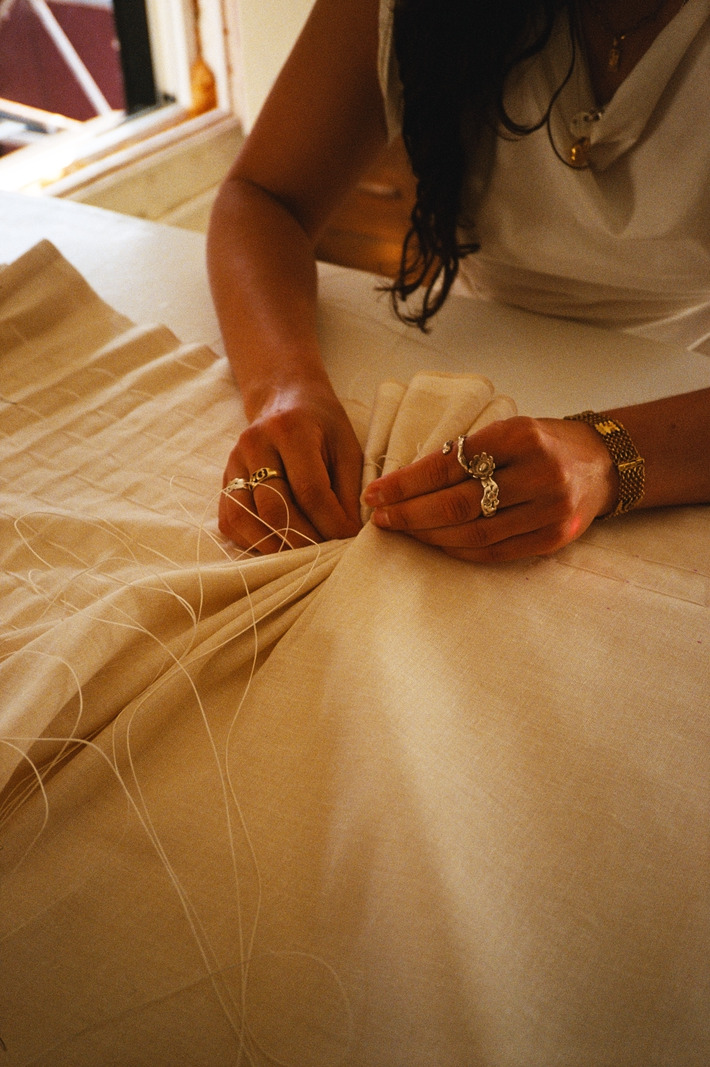
Photography by Morgan Eglin for The Modern House.
Block prints and natural dye
Rajasthan is famous for hand block printing and natural, plant-based dyes — indigo, madder, pomegranate — the same small-batch dyeing that gives a handmade rug its gentle abrash. Watch a length of cloth take colour by hand and you understand why the results feel alive in a way machine prints never do.

Blush Nomad — Blush Tribal Rug — shop the rug at Slow Objet.
The markets, slowly
The bazaars reward the unhurried. Skip the rush and the hard sell; sit for chai, watch a printer at work, and let the good things find you. What you carry home from Jaipur is rarely the cheapest thing — it is the thing with a hand and a story in it.

Chalk Meander — Cream Geometric Rug — shop the rug at Slow Objet.
Bringing it home
You do not have to travel to live with the craft — that is rather the point of what we do. Our rugs are hand-tufted in these same workshops and carried to your floor, each one an object with an origin. Read how they are made in our field guide to choosing a handmade rug.
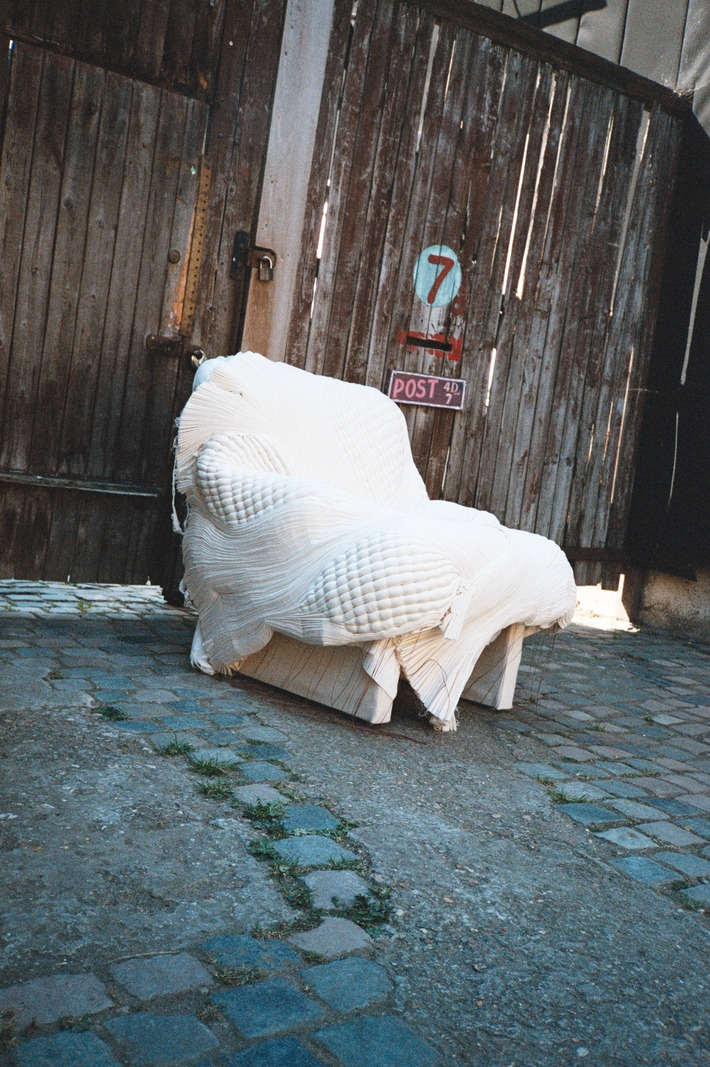
Photography by Morgan Eglin for The Modern House.

Copper Frame — Rust Wool Rug — shop the rug at Slow Objet.
Where to feel the craft
The best of Jaipur is not in a museum but in the working lanes, where you can watch a printer stamp a length of cloth or a weaver at the loom. Ask, and most makers are glad to show you; the craft is not a secret, only a discipline. Spend an unhurried morning this way and you learn more than any guidebook can tell you, because you have seen the hours a made thing actually takes.
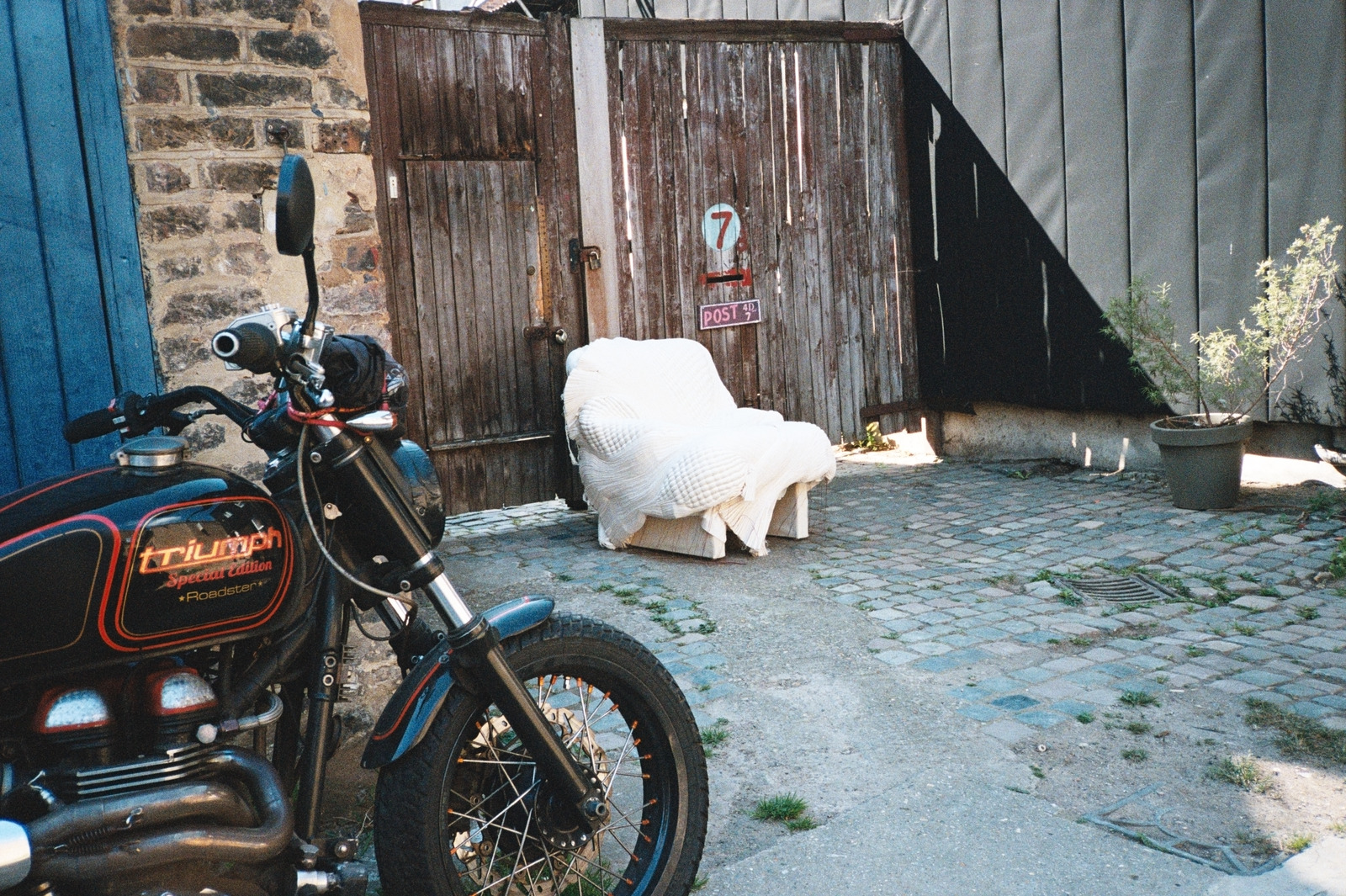
Photography by Morgan Eglin for The Modern House.
The colour of the pink city
Rajasthan is a place of colour earned honestly, from the plant and the mineral rather than the machine. Indigo, madder, pomegranate and marigold are still cooked into dye by hand, and the results have a depth and a slight unevenness that printed colour never manages. It is the same small-batch dyeing that gives a handmade rug its abrash — the soft banding that proves a person, not a vat, mixed the colour.

Marigold Stripe — Marigold Striped Rug — shop the rug at Slow Objet.
What to bring home
Buy the way the city rewards: slowly, and for keeps. Skip the mass-made souvenirs and look for the thing with a hand in it — a block-printed cloth, a hand-dyed textile, a small rug. It will cost more than the airport version and be worth many times as much, because you are buying the maker's time, not a factory's output. One good object beats a suitcase of forgettable ones.

Rose Nomad — Blush Tribal Rug — shop the rug at Slow Objet.
Craft you can live with, at home
You do not have to fly to Rajasthan to live with its craft — that is rather the point of what we do. Our rugs are hand-tufted in these same workshops and carried to your floor, each one an object with an origin you can name. If the trip is a someday, the floor is a now: begin from it, the way we describe in our field guide to the slow home.
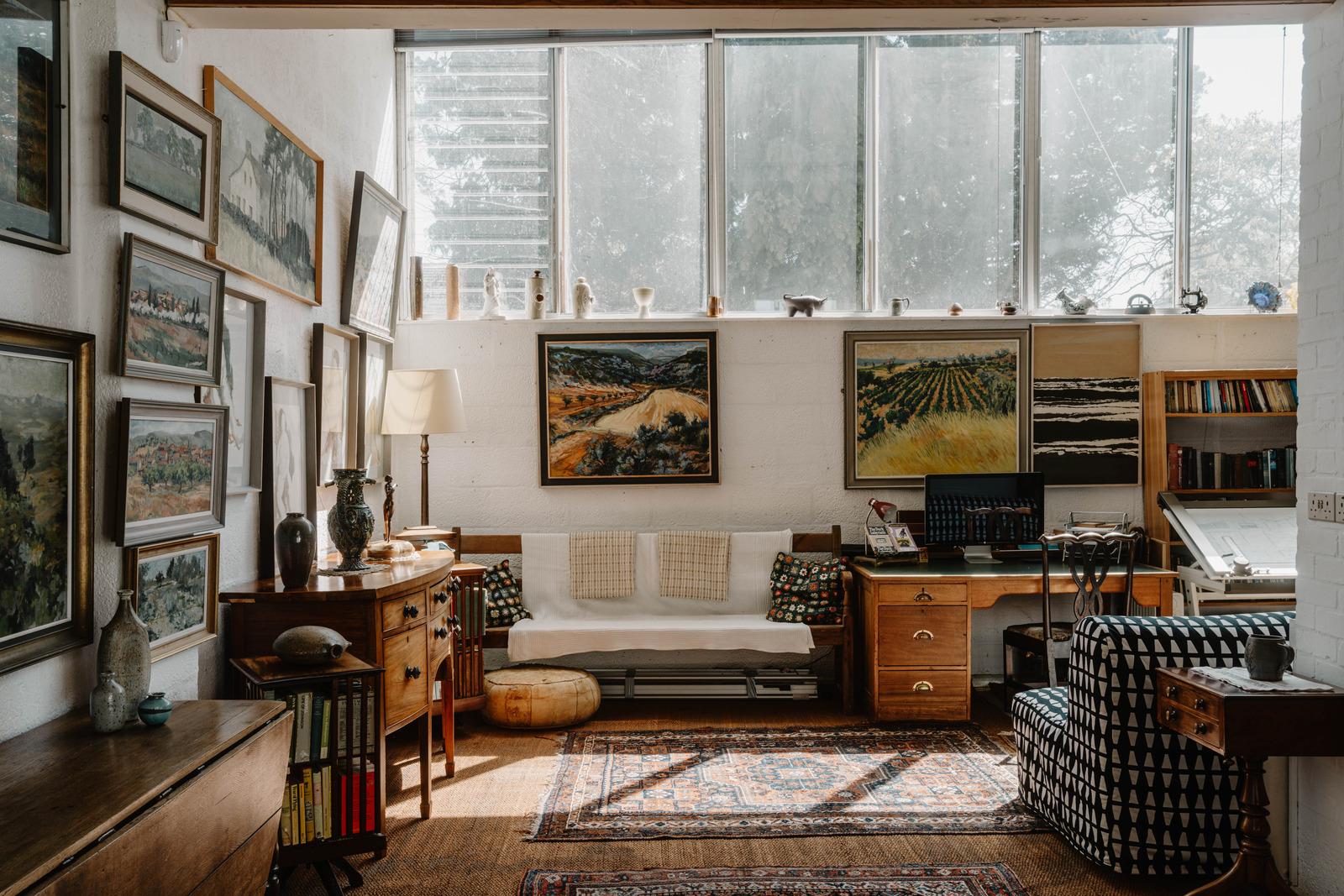
Photography by Adam Firman for The Modern House.

Clay Lattice — Terracotta Lattice Rug — shop the rug at Slow Objet.
Go slowly, and go local
Jaipur rewards the traveller who slows down. Skip the rushed coach tour and the hard sell of the tourist bazaar; sit for chai, let a shopkeeper show you how a thing is actually made, and buy from the person whose hands made it wherever you can. The money goes further and stays closer to the craft, and you come home with a story attached to the object rather than just a receipt.
It helps to travel with a light itinerary and a lot of patience. The best encounters — a printer mid-run, a dyer lifting cloth from the vat, a weaver happy to explain the loom — are exactly the ones you cannot schedule. Leave room for them, and the city gives them to you.

Kiln Hush — Rust Wool Rug — shop the rug at Slow Objet.
The origin you can keep
Every rug carries where it came from. When a piece is made slowly by a named workshop, its origin is not marketing but fact — and that is worth something in a home. It is the difference between an anonymous object and one you can point to and say who made it, and roughly how. That is the quiet luxury a slow object offers: provenance you can actually live on, underfoot, every day.
Questions, answered
What crafts is Jaipur known for?
Hand block printing, natural plant-based dyeing, hand-weaving and rug-making, blue pottery, and gemstone and metal work — much of it still made in family workshops.
Is Jaipur worth visiting for craft lovers?
Yes. Few places let you watch traditional handwork happening in real time as openly as the old walled city and its surrounding workshops.
What should I buy in Jaipur?
Buy fewer, better, hand-made things: block-printed and hand-dyed textiles, a small rug, blue pottery. Look for the marks of the hand and skip the mass-produced souvenirs.
When is the best time to visit Jaipur?
The cooler months from October to March are the most comfortable for exploring the old walled city and its surrounding workshops on foot.
How many days do you need in Jaipur?
Two to three unhurried days is enough to see the old city and visit a few workshops without rushing — craft rewards being met slowly rather than ticked off a list.
Can you buy handmade rugs in Jaipur?
Yes. Jaipur and nearby Bhadohi are historic rug-making centres, and the same kind of family workshops make the hand-tufted wool rugs we carry — so you can bring the craft home even without making the trip yourself, and know exactly where the piece began.
Bring a little of it home — explore our hand-tufted rugs.
Rugs by Slow Objet, hand-tufted in India. Interior and craft photography courtesy of The Modern House, credited beside each image.
Purposeful design, crafted for a lifetime.