

There is a kind of shopping that promises nothing will ever change. The sofa that looks identical in year ten and in week one. The floor that never marks. The worktop that shrugs off everything you can do to it, including living. It is sold to you as a virtue, and it is worth asking who that virtue really serves. A surface that refuses to record your life is, we think, closer to a quiet sort of loss — and it is exactly why we build our rugs from materials that age well rather than materials that merely resist you.
Patina is the word for what happens when a material meets a life. It is the sheen a brass handle takes from ten thousand hands, the give a leather chair learns from one particular body, the way wool underfoot grows softer and more itself with every winter. It is not damage, and it is not neglect. It is a record. What follows is a small argument for choosing things that are allowed to keep one.

Kiln Bloom — Hand-Tufted Wool Rug — shop the rug at Slow Objet.
The difference between wearing in and wearing out
Not everything that changes with time is improving, and it pays to be honest about the difference. A laminate worktop wears out; it chips at the edge to show the chipboard beneath, and there is no angle from which that reads as charm. A wool rug wears in. The pile settles along the routes you walk most, the colour mellows where the afternoon light lands, and the whole thing slowly begins to describe your rooms back to you. The test is simple enough to apply while you stand in the shop: does age take the object further from what it was meant to be, or deeper into it?
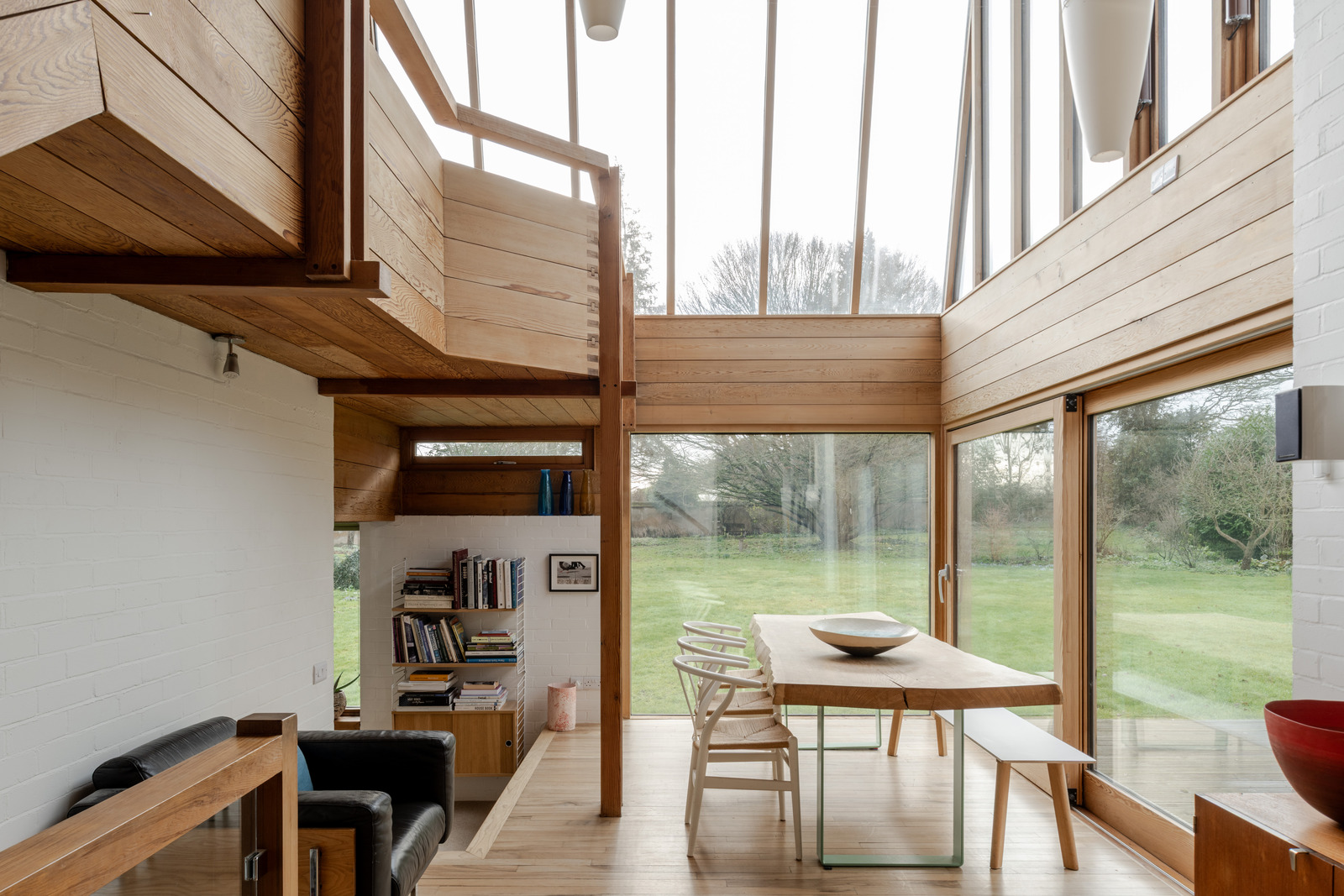
Photography by French & Tye for The Modern House.
Synthetic fibres almost always fail that test. Polypropylene and nylon are engineered to look finished on the day they arrive, which is precisely their trouble: there is nowhere left for them to go but down. They pill, they flatten into a tired shine, they hold odour, they shed microplastic with every hoover, and at the end of it all they become landfill that will outlive everyone who ever walked across them. Natural fibres begin somewhere humbler and travel the other way entirely.

Ashen Meander — Hand-Tufted Wool Rug — shop the rug at Slow Objet.
What materials that age well have in common
Look closely at the pieces that reward long ownership and a pattern comes into focus. They are honest all the way through, so wear simply reveals more of the same substance rather than a cheaper one hiding under a printed skin. They tend to have been alive once, or to have been drawn straight from the ground: wool, linen, oak, leather, brass, stone, lime plaster. And they respond to care, repaying a little attention with another decade of use rather than demanding to be replaced.
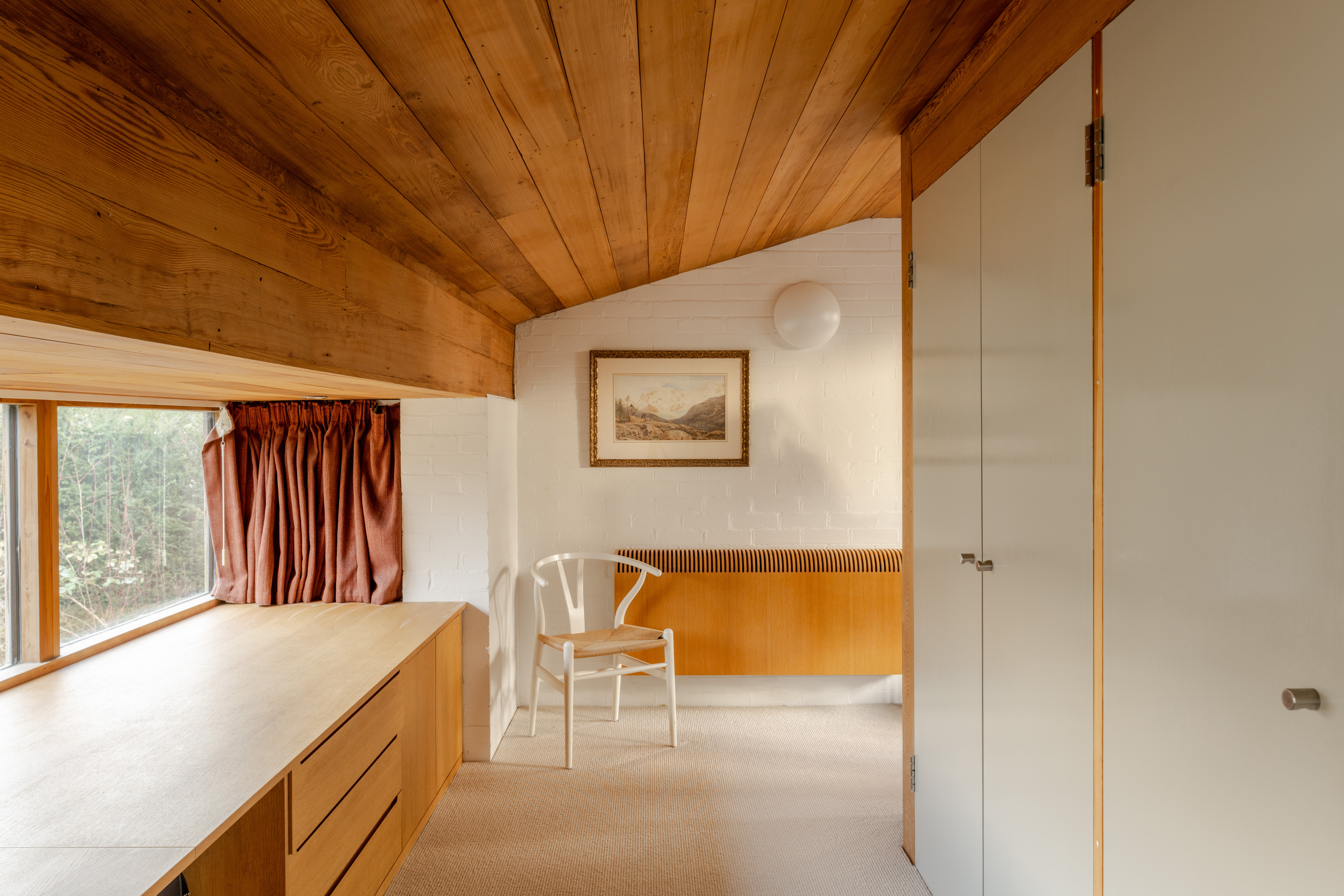
Photography by French & Tye for The Modern House.
There is a fourth quality, and it is harder to name. These materials carry their own history without embarrassment. A scratch in solid oak is a scratch in oak, not a wound in a photograph of oak printed onto vinyl. When the surface is simply the substance, a mark becomes texture rather than failure — and texture is something the eye forgives at once. That one fact quietly separates the things worth keeping from the things designed to be discarded.

Chalk Petal — Hand-Tufted Wool Rug — shop the rug at Slow Objet.
Wool keeps its own counsel
Wool is the quiet overachiever of the material world. Each fibre is a natural coil with a built-in crimp, which is why a good wool pile springs back after a chair leg has pressed on it for a year, and why footprints soften and fade rather than setting hard. It is coated in lanolin, the waxy grease the sheep grew to shed rain, so most spills bead on the surface long enough to be blotted before they sink in. Our rugs are hand-tufted from natural wool by artisans in India, and you can wander the full range under underfoot rugs whenever you like.
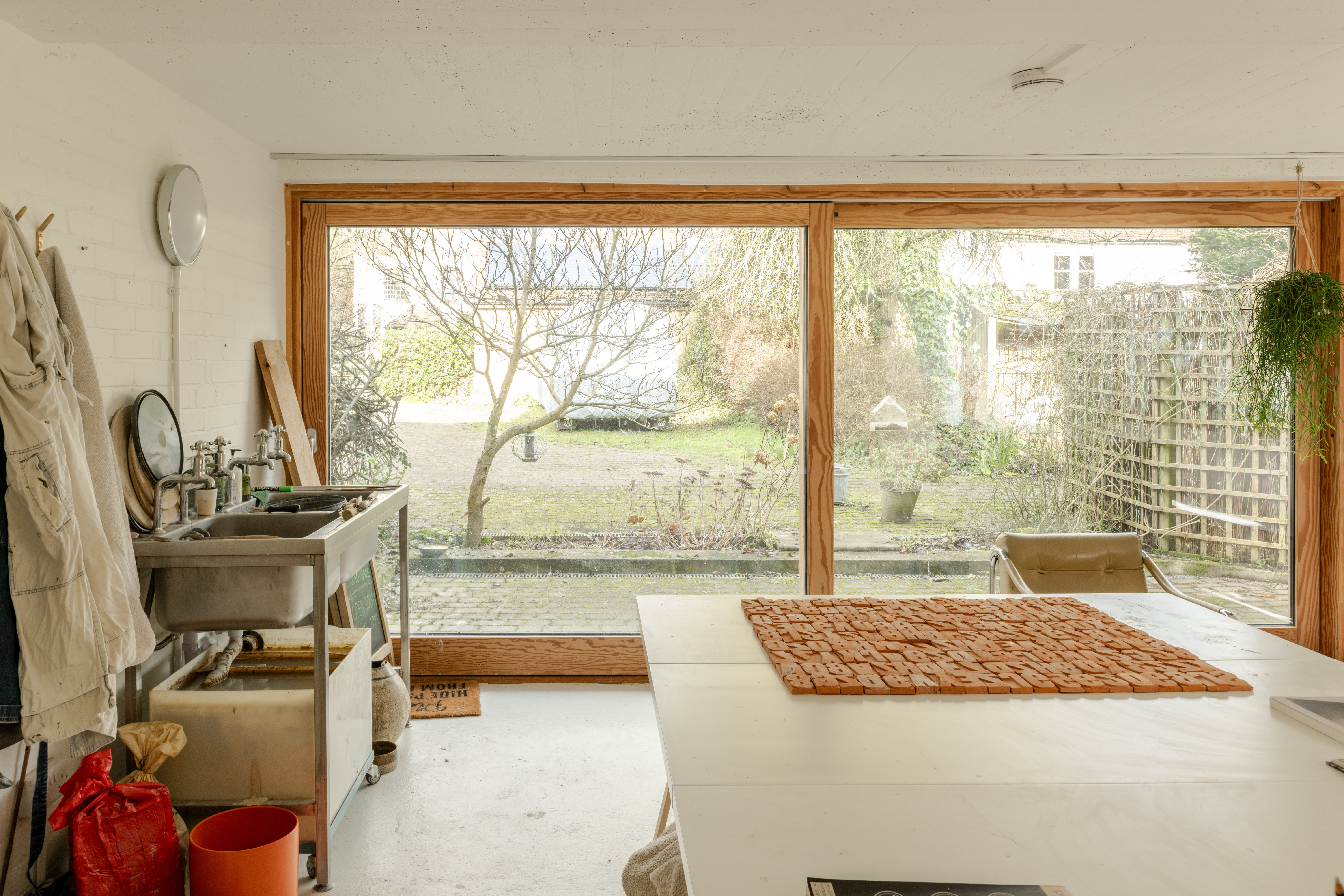
Photography by French & Tye for The Modern House.
Wool holds colour in a way flat synthetics can never imitate. Because the fibre is faintly translucent, dye settles at slightly different depths, so light comes back off a woollen surface with a soft, broken quality instead of a plastic evenness. Over the years the brightest notes calm by a shade or two, which is almost always a gift; few rooms are ever made worse by growing a little quieter. If you are weighing fibre and construction before you commit, our guide on how to choose a handmade rug lays out the questions worth asking.

Oat Bloom — Hand-Tufted Wool Rug — shop the rug at Slow Objet.
A short field guide to surfaces that earn their keep
Wool is not alone in this. Vegetable-tanned leather darkens and slackens into a colour no factory finish can fake. Solid timber earns a patina of small dents and burnishings that a French-polished veneer can only mimic. Unlacquered brass drifts from bright gold to a warm, uneven brown, tarnishing precisely where fingers land and staying bright where they do not, until the metal is quietly drawing your own habits back at you. Linen creases honestly and, washed enough times, turns from crisp to blessedly soft. Even lime plaster and unsealed stone gather a depth of surface that new-build magnolia will never know.
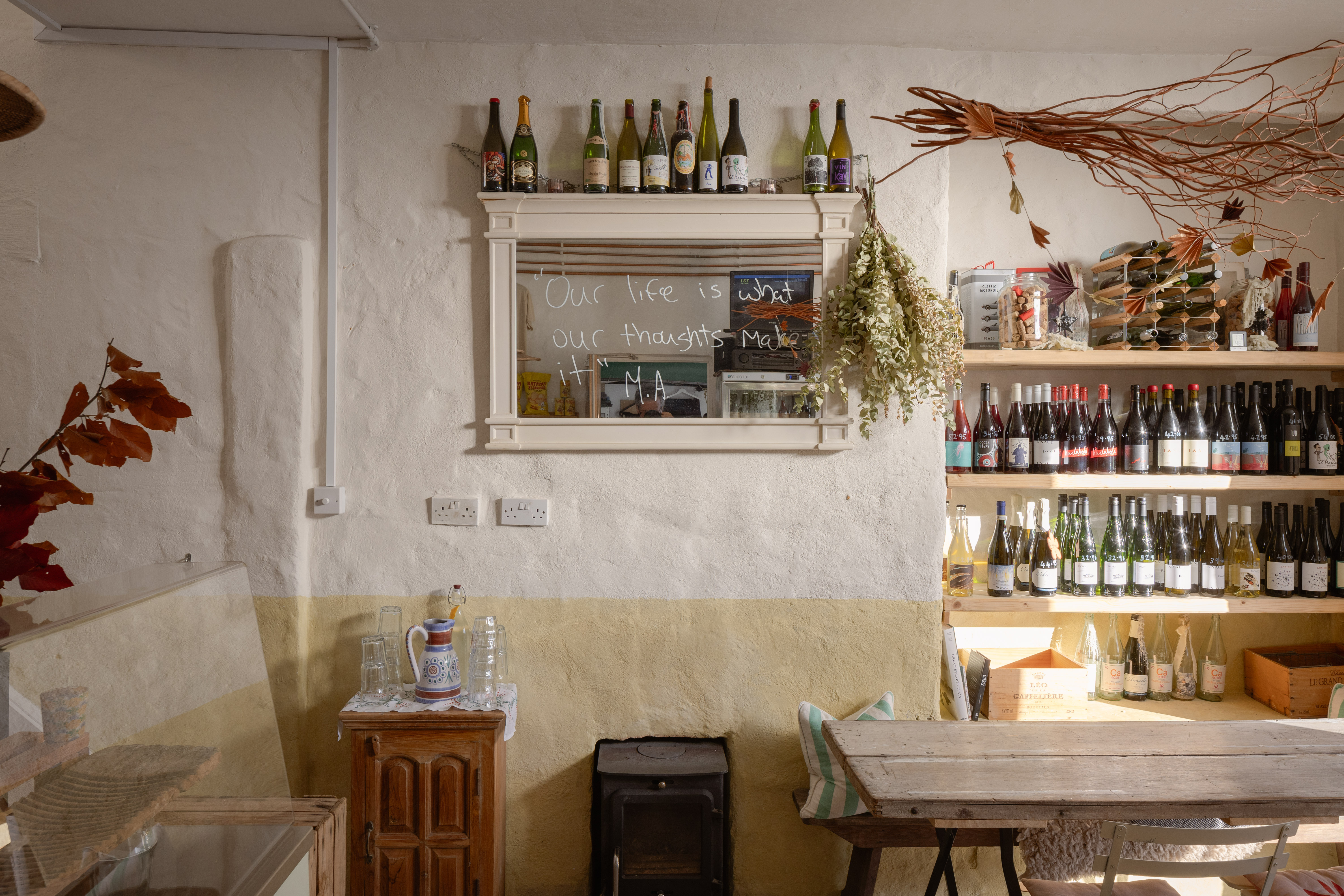
Photography by Stuart Elkins and Arran Busk for The Modern House.
Living with the marks
Living this way asks one thing of you in return: a small change of eye. You have to stop reading every mark as a fault to be corrected and start reading it as information. The faint path worn between the kitchen and the table is not the rug beginning to fail; it is plain proof that the room is used and loved. A home made from honest materials keeps a slow, truthful record of the life lived inside it, which is a good deal of what we mean when we talk about slow living at home.
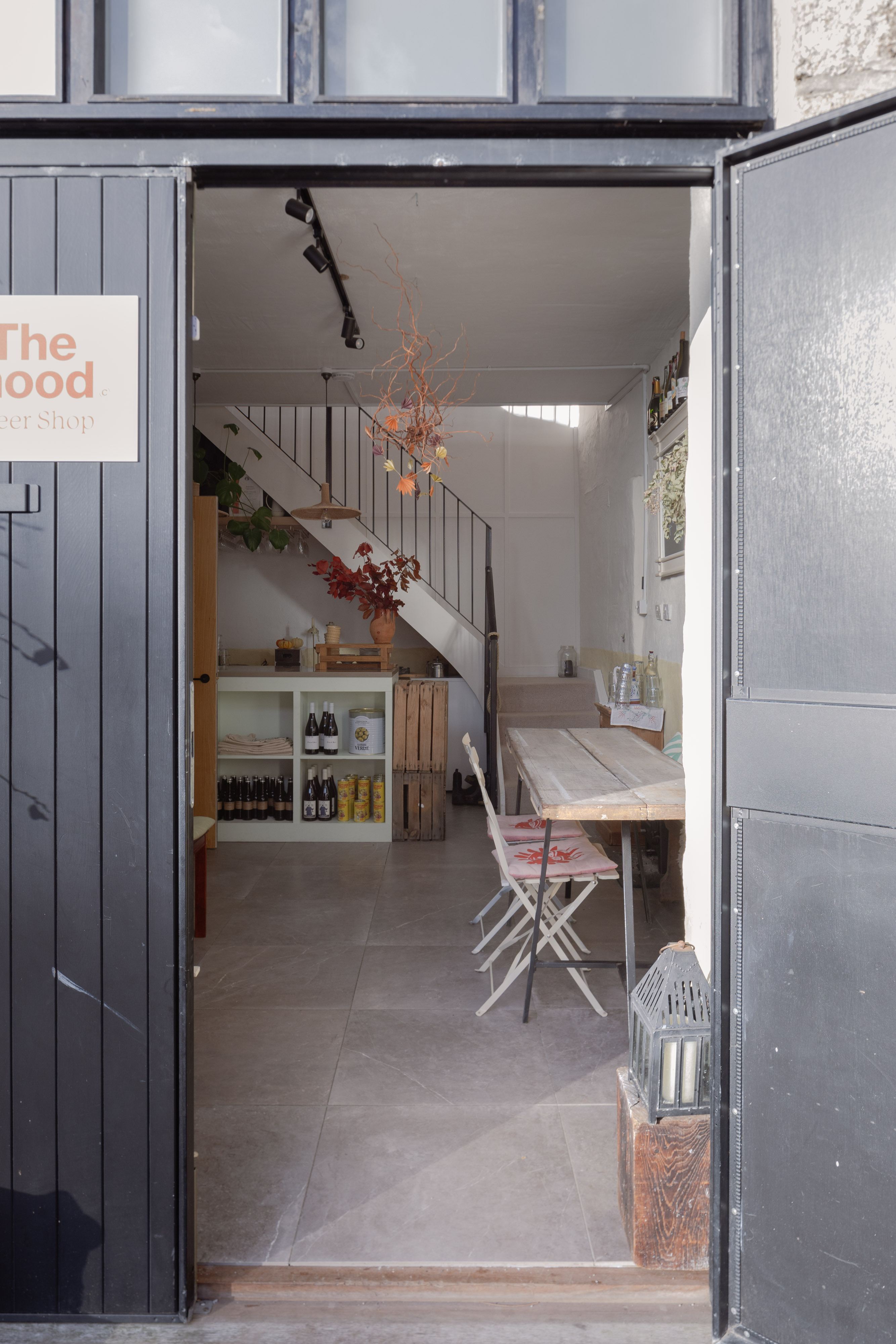
Photography by Stuart Elkins and Arran Busk for The Modern House.
None of this asks for preciousness. If anything, it asks for the opposite. When you own things that are allowed to age, you can finally unclench around them: let the dog up onto the rug, set the wine glass down, walk the same line to the window every morning for twenty years and think nothing of it. The object is not diminished by being lived on. It is being written on, slowly, by you.
Questions, answered
What does patina actually mean?
Patina is the surface a material develops through ordinary use and time: the soft sheen, the deepened colour, the gentle wear that only comes from being lived with. Unlike damage, it makes an object look more resolved rather than less. It cannot be bought new, which is rather the whole point of it.
Which materials that age well are best for a family home?
For floors, wool is hard to beat among materials that age well: it is naturally springy, it resists dirt and shrugs off most spills thanks to its lanolin, and it mellows gracefully instead of wearing thin. Pair it with solid timber, vegetable-tanned leather and unlacquered brass, and you have a home that quietly improves under a busy household rather than visibly coming apart.
Does a wool rug wear out faster than a synthetic one?
In practice the opposite tends to be true. A well-made wool rug can be walked on for decades, and often outlasts several synthetic ones bought to replace one another. The difference is in how they fail: wool gathers character as it goes, while synthetics simply flatten, shine and pill until they are thrown away.
How do I care for natural materials so they age well rather than badly?
Mostly by doing less than you fear. Vacuum wool gently and often, blot spills rather than rubbing at them, rotate the rug once or twice a year so wear spreads evenly, and keep the harshest direct sun off any single patch. Deal with accidents promptly, then let honest wear happen on its own; the aim is guidance, not preservation under glass.
Is patina just an excuse for things that look worn?
It is a fair question, and the honest answer is that there is a line. Patina is even, earned and structural; damage is abrupt, localised, and usually hides a lesser material underneath. Brass browning where hands fall is patina. A veneer lifting to reveal the chipboard beneath is not. Good materials earn the first and never risk the second.
If you would like a floor that gets better the longer you live on it, our hand-tufted wool rugs are made for precisely that. Explore the collection at underfoot rugs.
Rugs by Slow Objet, hand-tufted in India. Interior photography courtesy of The Modern House, credited beside each image.
Purposeful design, crafted for a lifetime.