

A calm living room is not built from the sofa down; it is built from the floor up. Ground the room with the right rug and every later decision — seating, light, colour — becomes easier and quieter. Here is how to build a living room that feels settled rather than staged.

Oat Nomad — Cream Tribal Rug — shop the rug at Slow Objet.
Start with the rug
The rug sets the scale, palette and temperature of the whole room before anything else is chosen. Lay it first and let the furniture answer to it, not the other way around. In a calm living room the floor does the quiet, foundational work.
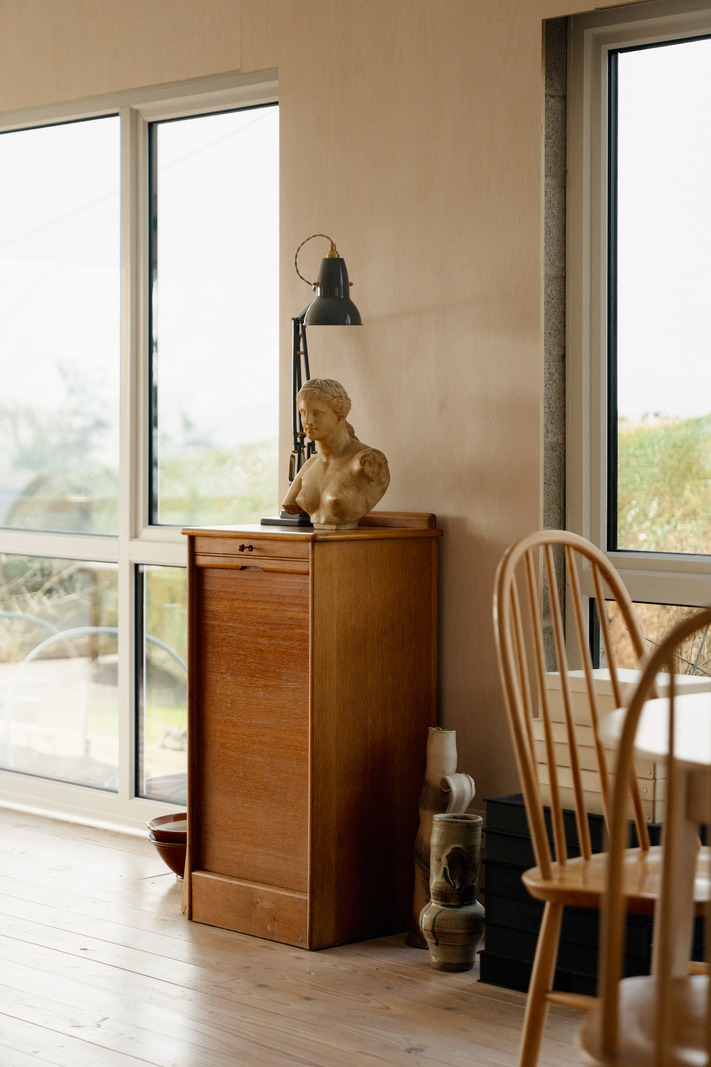
Photography by Katarena Joy and Leia Morrison for The Modern House.
Get the size right
The most common mistake is a rug that is too small, marooned in the middle of the floor. As a rule, the front legs of every main seat should sit on the rug, and it should run six to eight inches wider than the sofa on each side — usually an 8' x 10' or 9' x 12'. A generous rug pulls the seating into one connected group.

Dune Lattice — Cream Diamond Rug — shop the rug at Slow Objet.
Layer warmth and texture
Warm minimalism, not cold: earth tones, wool and natural texture over gloss. Keep the palette in warm neutrals — oat, sand and stone with a little clay or olive — and let the weave of the rug carry the interest. Texture underfoot is what makes a spare room feel warm rather than bare.
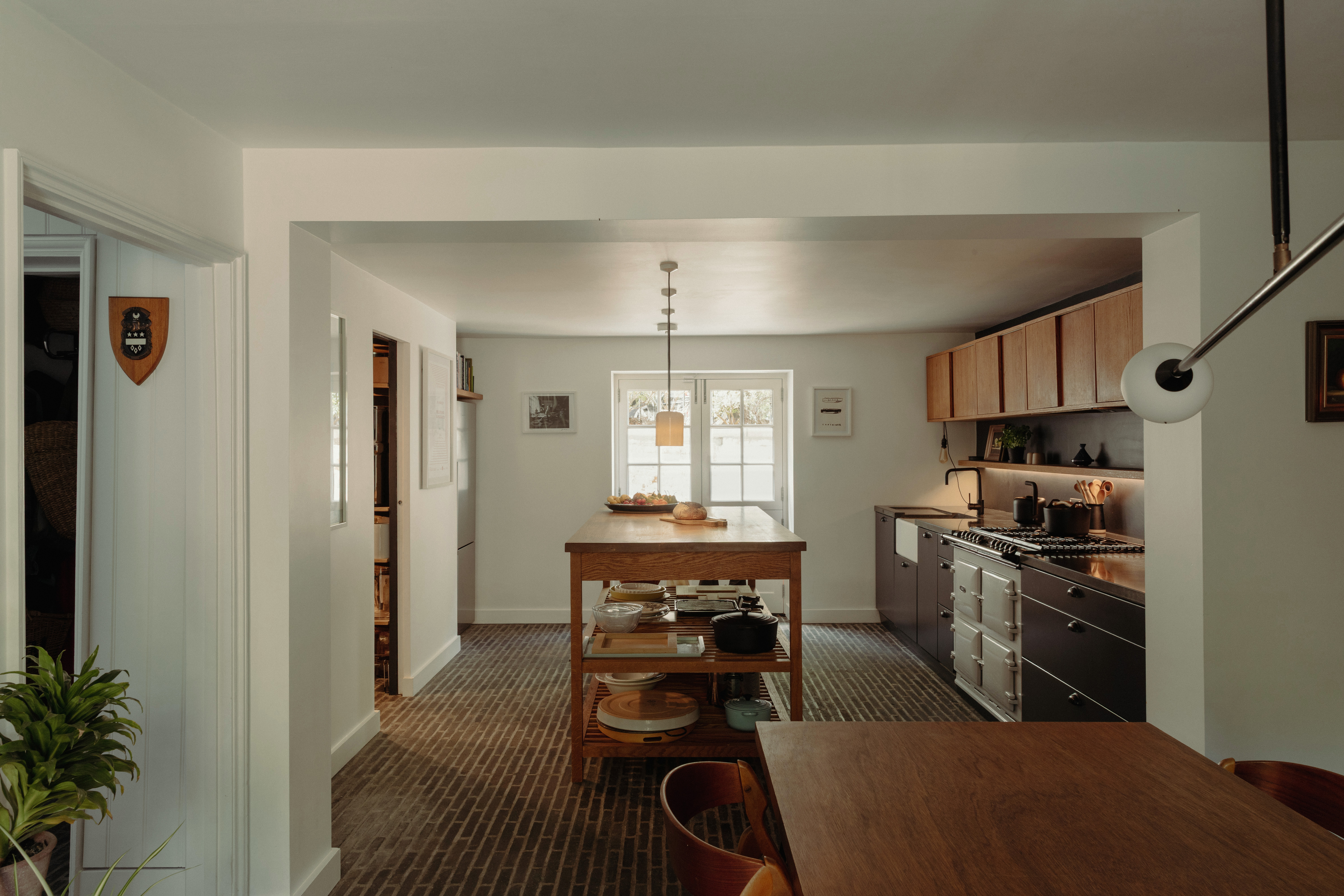
Photography by Rachel Ferriman for The Modern House.

Fawn Current — Taupe Abstract Rug — shop the rug at Slow Objet.
Light, and a low palette
Keep windows unfussy and choose lamps with a warm, low glow for the evening; light is the cheapest material you have. The result is a room that lowers your shoulders when you walk in. It is the same principle as our wider field guide to the slow home — begin from the floor, then subtract.
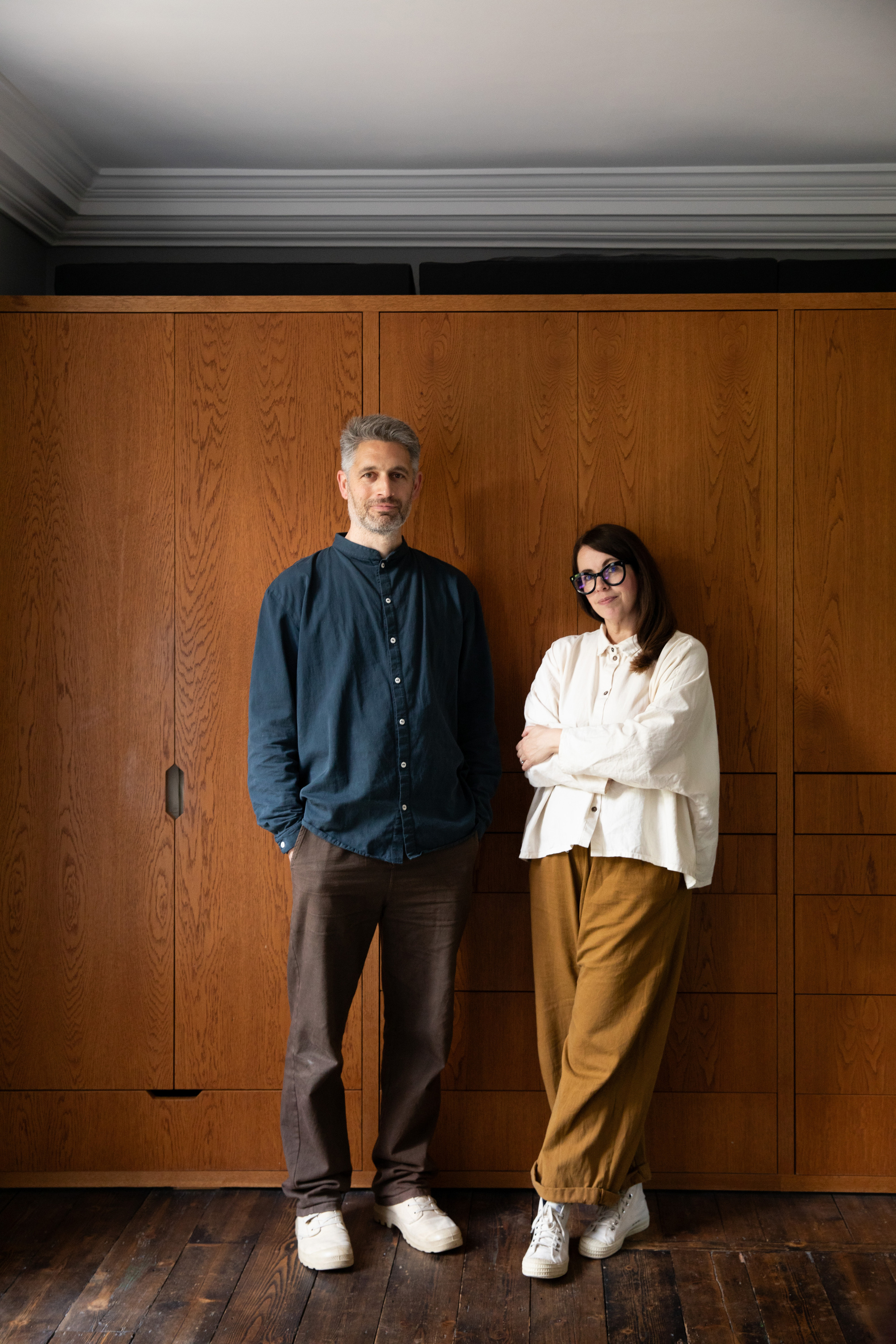
Photography by Rachel Ferriman for The Modern House.

Cloud Hush — Cream Solid Rug — shop the rug at Slow Objet.
Arrange the room around the rug
Once the rug is down, the furniture has a single job: to gather around it. Float the sofa and chairs so that at least the front legs of every main seat rest on the rug, and leave a hand's breadth of bare floor showing at the edges, like a mount around a picture. A seating group that all touches the same rug reads as one calm island, however large the room — and a room with one clear centre always feels more settled than one with several competing ones.
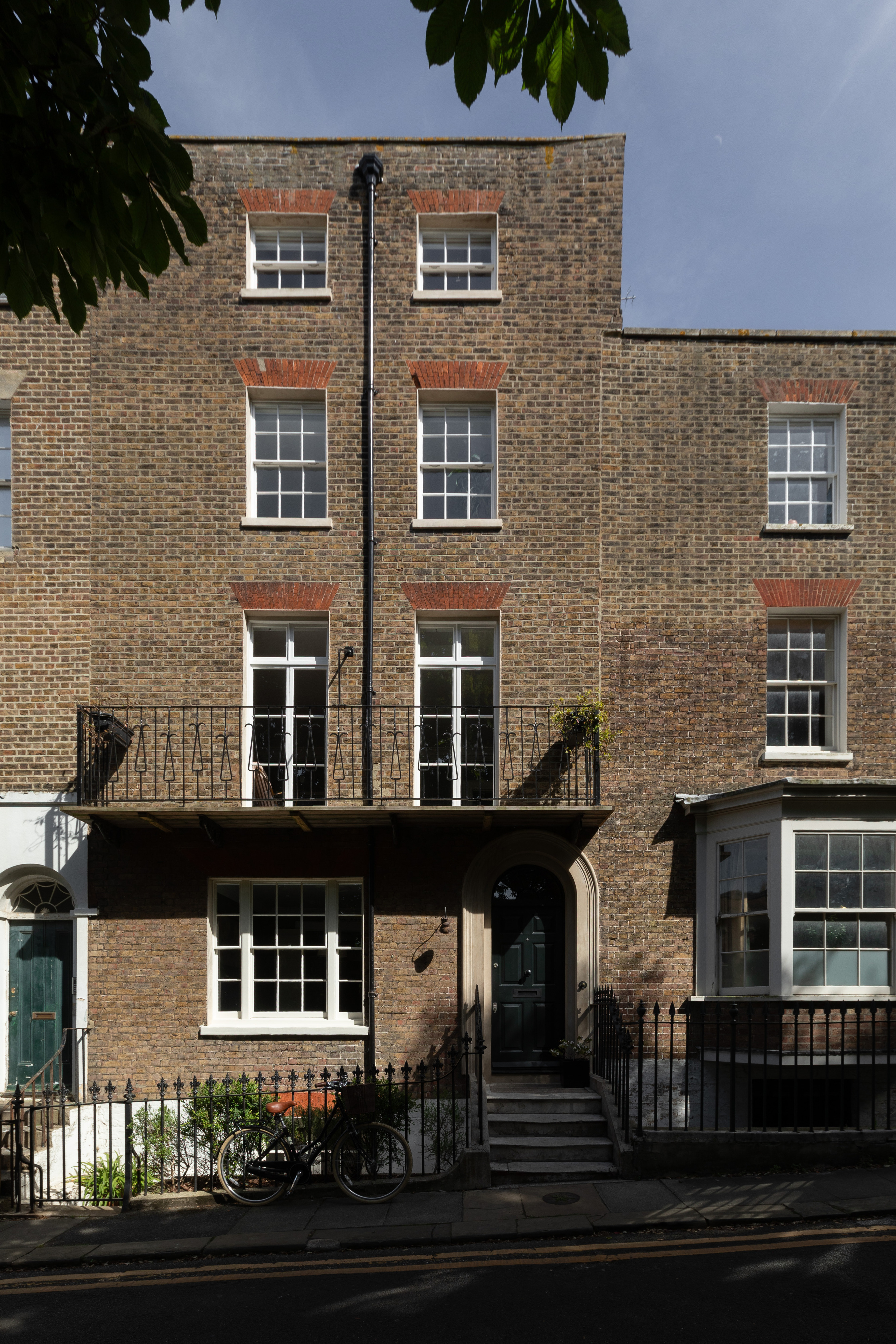
Photography by Rachel Ferriman for The Modern House.
Layer, but lightly
Warm minimalism is not the same as bare. With the large pieces placed, add texture in small, natural layers — a linen cushion, a wool throw folded over an arm, a low stack of books, one branch in a heavy vase. Hold the palette to two or three warm neutrals and let the weave of the rug stay the most interesting thing at floor level. The aim is a room that feels gathered rather than decorated, where every layer is something you would actually use.

Dove Current — Dove Grey Rug — shop the rug at Slow Objet.
Let the light land
A grounded living room changes character through the day, and it should be allowed to. Keep the window dressing minimal so the morning light can reach the floor, then trade the single bright overhead for two or three low, warm lamps in the evening. Light is the cheapest material in the room and the one that most decides how it feels; used well, it does more for calm than any object you could buy.
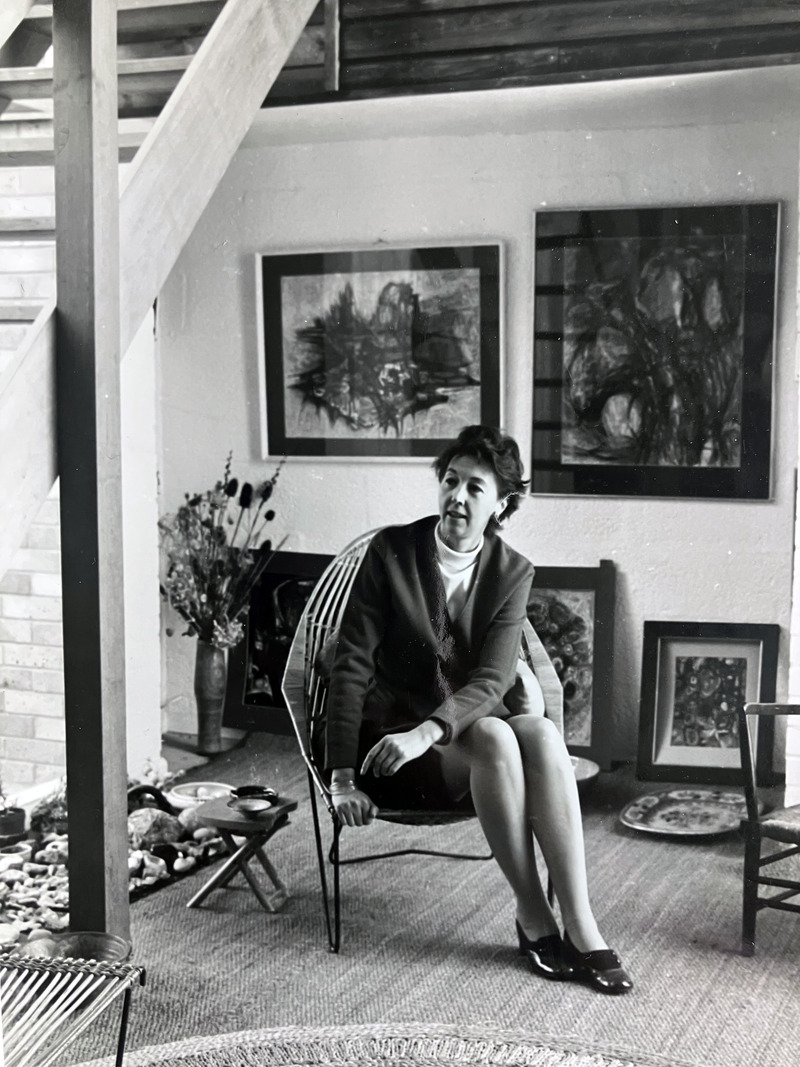
Photography by Adam Firman for The Modern House.

Mist Current — Pale Grey Rug — shop the rug at Slow Objet.
Underfoot first, then upward
The reason we keep saying begin from the floor is practical, not poetic. The rug is the largest soft surface in the room and the one your eye and feet meet first, so it sets the scale and the temperature everything else has to agree with. Choose it first and the sofa, the lamps and the palette have something to answer to; choose it last and you spend the whole project trying to make a floor forgive the furniture.

Olive Panel — Olive Panelled Rug — shop the rug at Slow Objet.
Keep it uncluttered
A calm living room is as much about what you remove as what you add. Clear the surfaces that have quietly become dumping grounds, edit the shelf down to the few things you actually love, and give the good pieces room to be seen. Empty space is not a failure to decorate; it is the frame that lets the rug, the light and the one good chair register at all. Subtraction is the most underrated tool in the room.
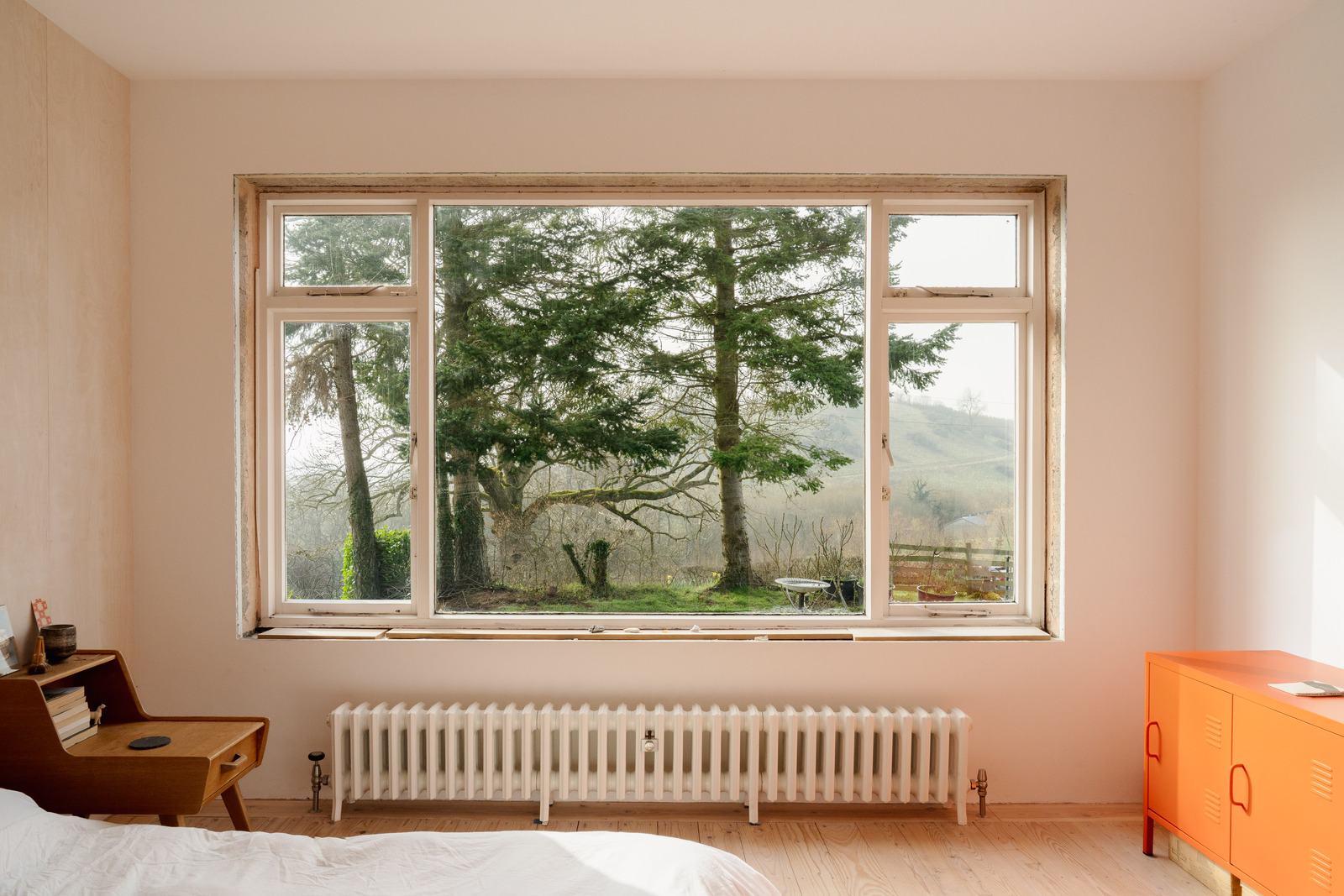
Photography by Katarena Joy and Leia Morrison for The Modern House.
A room you can actually live on
None of this is about a showroom. A grounded living room is built to be used — feet up, books down, the occasional spill blotted and forgotten. That is exactly what a hand-tufted wool rug is for: it is naturally hard-wearing and stain-resistant, and it tends to look better, not worse, for being lived on. Buy the calm, then use it without precious feelings, and the room quietly does its job for years.

Ash Frame — Grey Bordered Rug — shop the rug at Slow Objet.
Questions, answered
What size rug do I need for a living room?
Large enough that the front legs of your main seats rest on it and it runs six to eight inches wider than the sofa on each side — typically an 8' x 10' or 9' x 12'.
How do I make a living room feel calm?
Begin from the floor, keep the palette to warm neutrals, clear what the room does not need, and layer natural textures rather than colour or clutter.
Where should I start when decorating a living room?
With the rug. It sets the scale, palette and temperature of the whole space, and makes every later decision quieter and easier.
How do I stop a rug from slipping?
Use a natural anti-slip underlay cut a little smaller than the rug. It stops movement, protects the floor, and adds a touch of cushioning underfoot — well worth the small cost on a rug you intend to keep.
Can I put a rug over carpet?
Yes. A flatter, hard-wearing rug layered over low-pile carpet is a good way to define a seating area and add warmth and texture, especially in a rented room you cannot change underneath.
Ready to ground your own room? Explore our hand-tufted rugs and start from the floor.
Rugs by Slow Objet, hand-tufted in India. Interior and craft photography courtesy of The Modern House, credited beside each image.
Purposeful design, crafted for a lifetime.